

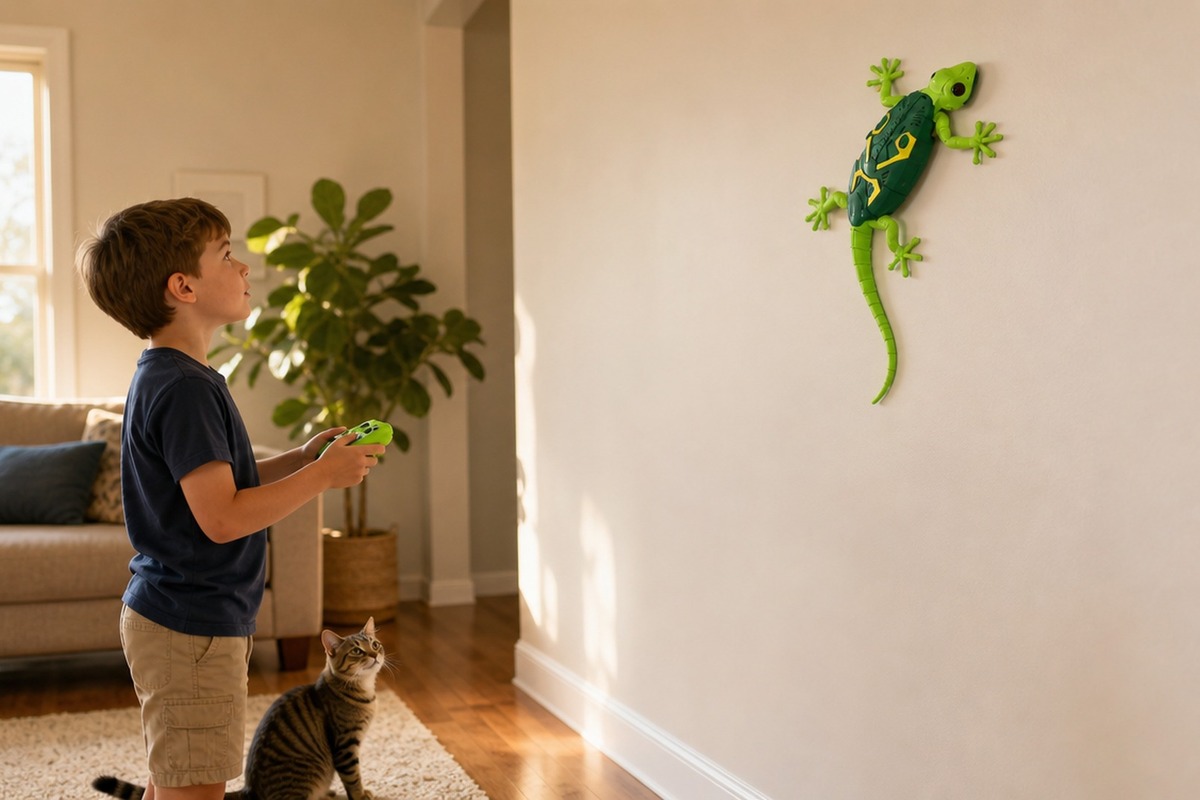
There is no glue on it. There never was.
The first guess is always adhesive, and the second is suction cups. It is neither, and once you know what it really is the whole thing stops looking like a trick.
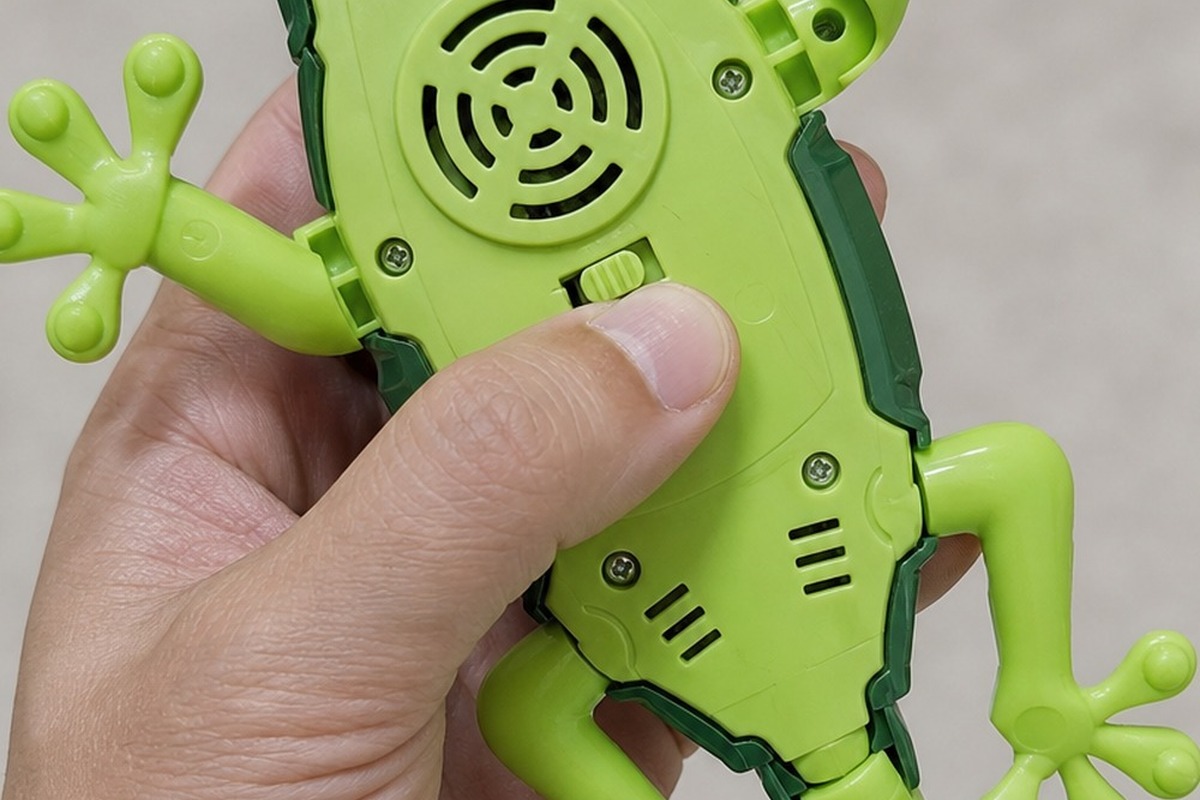
A small fan inside the body pushes air out from underneath it. That drops the pressure in the thin gap between the toy and the wall, and the ordinary air pressure of the room, the same pressure sitting on you right now, presses it flat against the surface. Four driven feet then walk it along while the fan keeps holding it there.
That is why it can move at all. A suction cup grips and then it is stuck. Air pressure holds without gripping, so the feet are free to do the walking.
Under the body is a recessed fan housing and a ring of vents. Turn one over and you can see the whole mechanism in about two seconds.
The mode switch is why most people think theirs is broken
This is the single most common complaint about every wall climbing toy on the market, and it is almost never a fault.
There are two modes. Mode I is close to silent and drives on floors only. Mode II runs the fan, and Mode II is the one that climbs. Out of the box it is usually on Mode I, so the first thing a lot of people do is press it against a wall, watch it slide down, and conclude they bought a dud.
One reviewer filmed himself doing exactly that, complaining on camera that it only worked on the ground, then finding the switch mid-video and changing his mind completely.
It does not mark paint, and there is a reason for that
Nothing sticky, adhesive or magnetic ever touches the surface, because nothing needs to. The only contact is four soft feet and a cushion of air.
Creators have run it across freshly painted drywall, across window glass and, in one case, straight across a television screen, then wiped a hand over it to show nothing was left behind.
The one thing worth watching is the floor. The feet pick up whatever is on your carpet, and dirty feet can carry that dust up onto a clean wall. Run it on a floor you would happily touch.
It works on more surfaces than you would guess, and fewer than you would hope
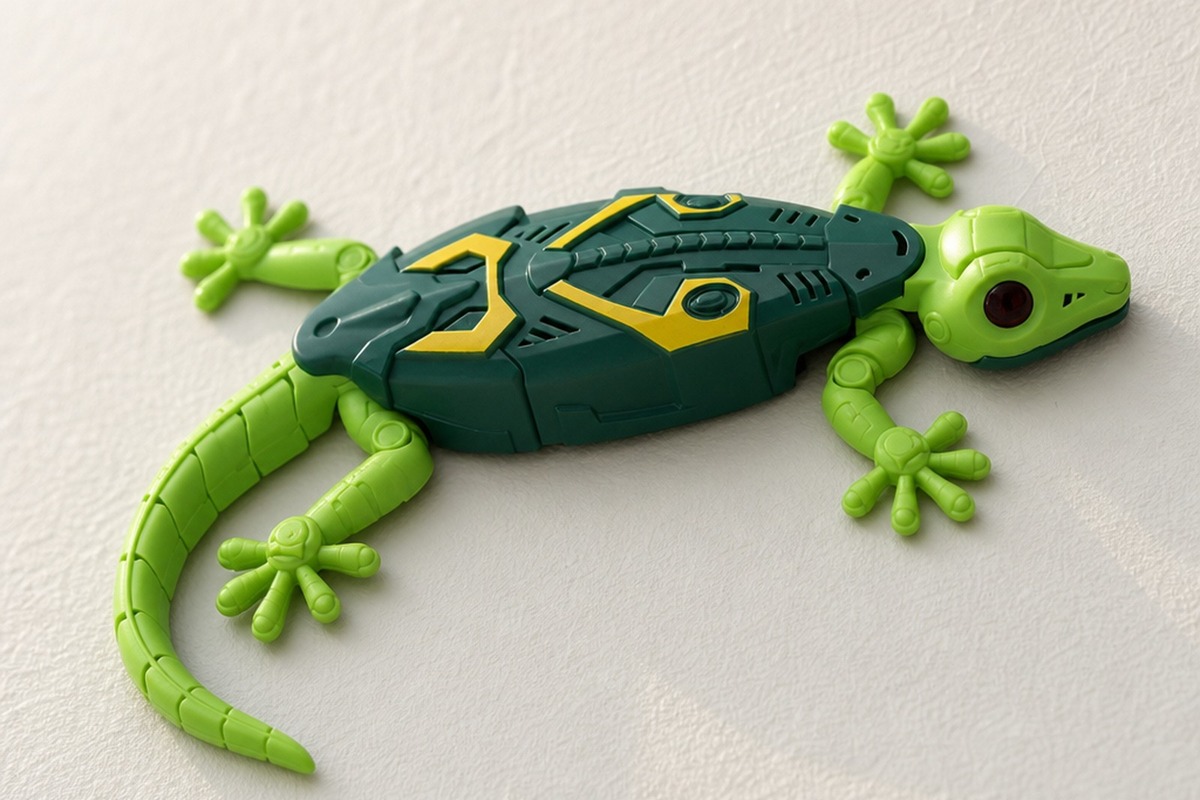
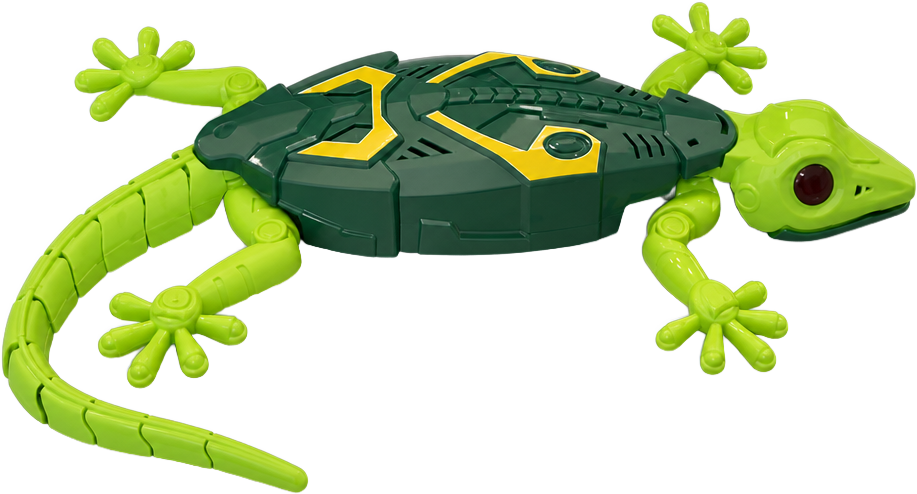
Painted drywall is the obvious one. Glass, windows, mirrors, interior doors, tiles, whiteboards and the front of a fridge all work too, and so does light wall texture.
Ceilings work, which is the part that makes children lose their minds. Upside down, all four feet on the plaster, tail hanging.
Where it stops is heavy popcorn texture, bare brick, and anything dusty. One owner reported it working perfectly on the bedroom ceiling upstairs and not at all on the living room ceiling, which was simply rougher. That is the honest boundary and it is worth knowing before you buy rather than after.
Trim, skirting boards and the edges of doorways are where it comes off. It runs on a flat plane; it does not turn corners.
The climbing mode makes noise, and that noise is the point
Nobody mentions this in the clips, so here it is plainly. In Mode II you can hear the fan. It is a steady rushing sound, somewhere between a hairdryer at low speed and a small vacuum in another room.
That sound is the mechanism working. Quiet would mean no airflow, and no airflow would mean the toy on the carpet.
The floor mode is close to silent, so a child who wants to play at nine in the evening still can. Anyone who tells you a wall climbing toy is silent has not run one.
Owners split on the noise. One review says it actually works and is not loud; another says louder than expected but still worth it. Both are describing the same fan.